
SIAHA, 25 Patô, 2022, Pakhynoh – Atanoh dawh 12:00 Noon pa ta Puhpa H. Malvina, 02-Phura Constituency tawhta 12th Term Mara Autonomous District Council (MADC) liata Member of District Council (MDC) châta atlypatlohpa cha Chief Executive Member (CEM) châta lapangiapa a châ.
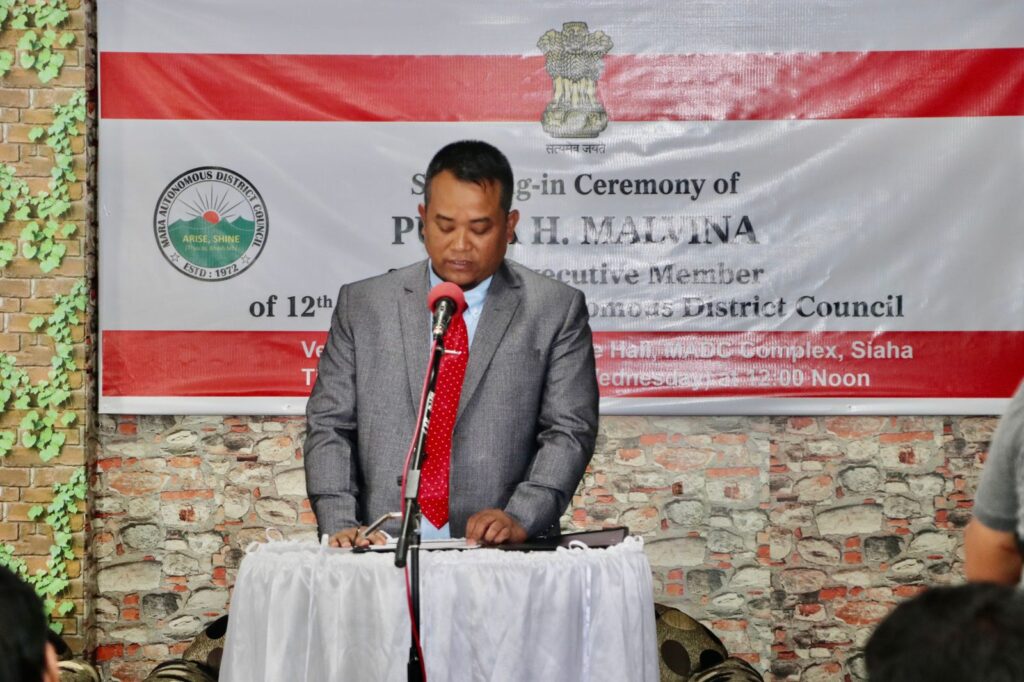
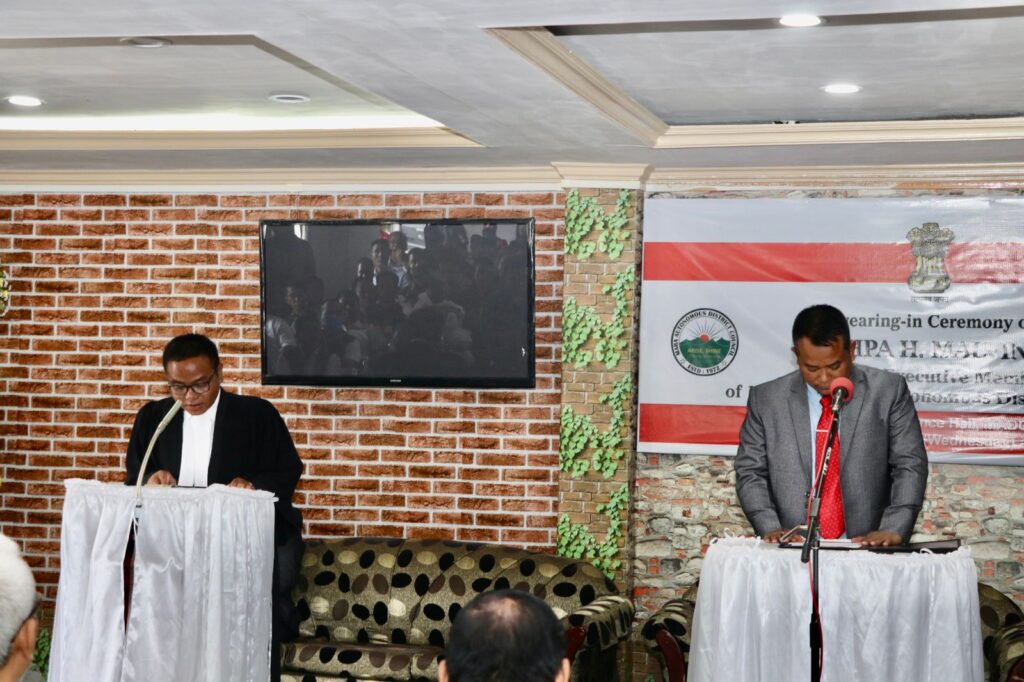
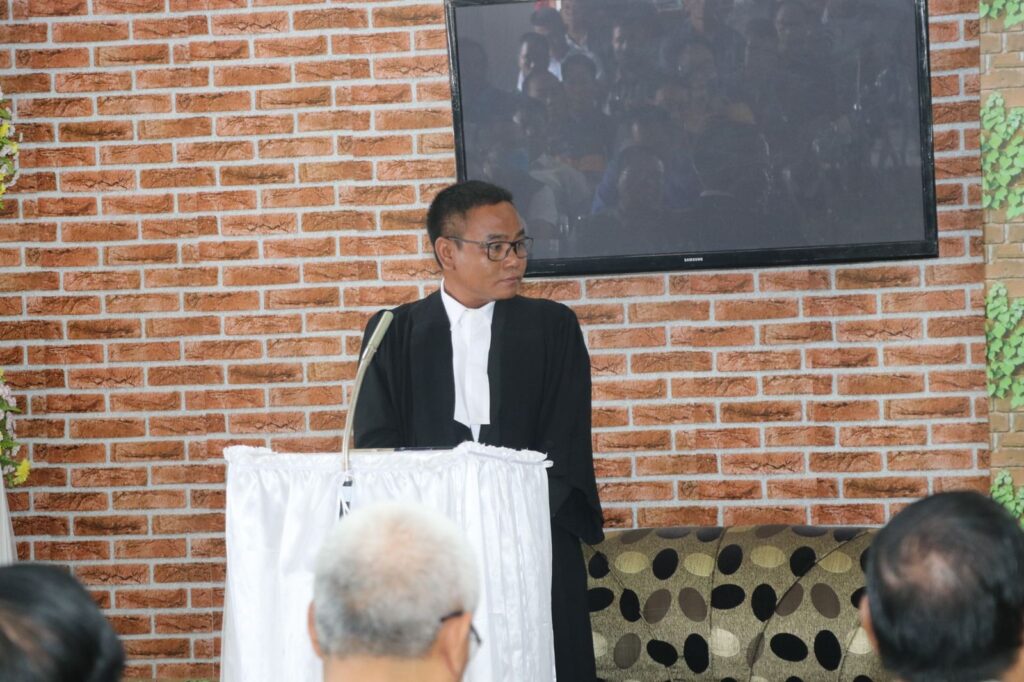
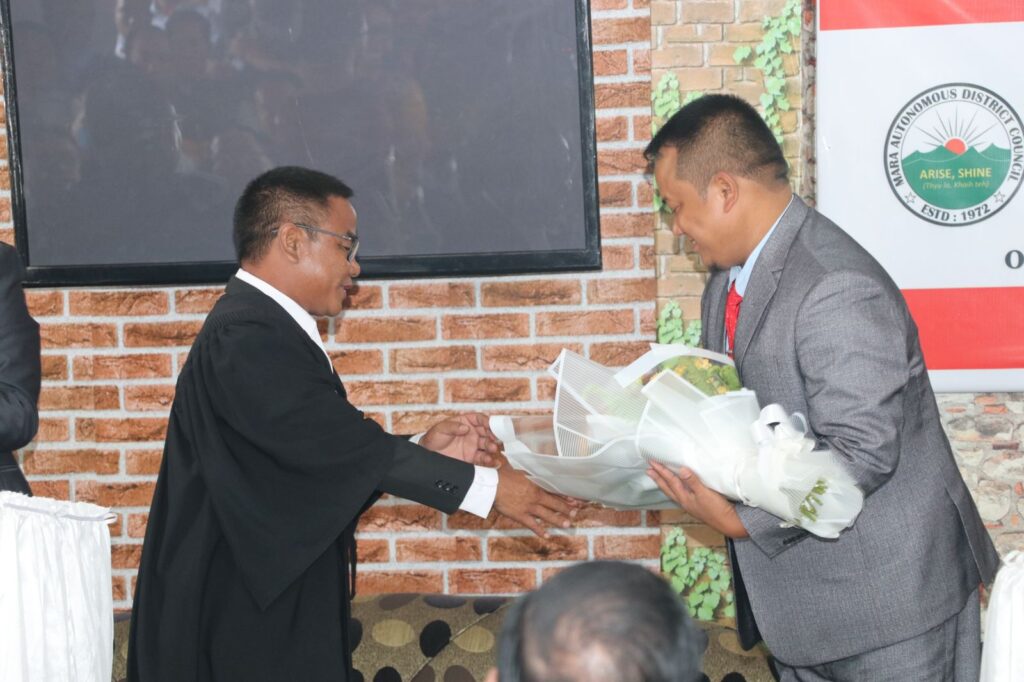
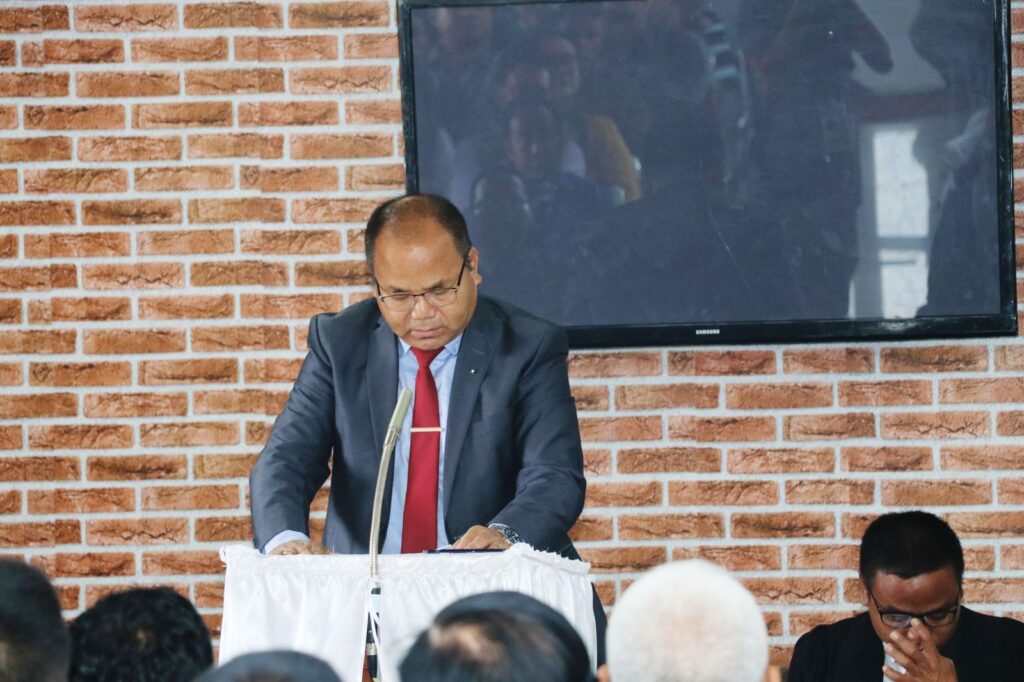
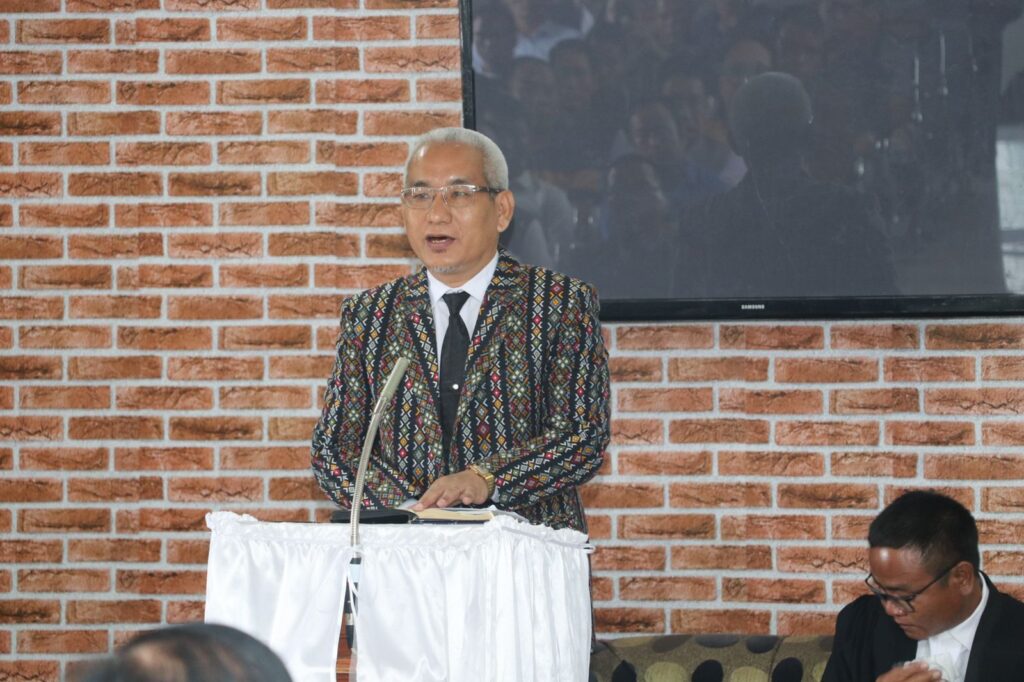
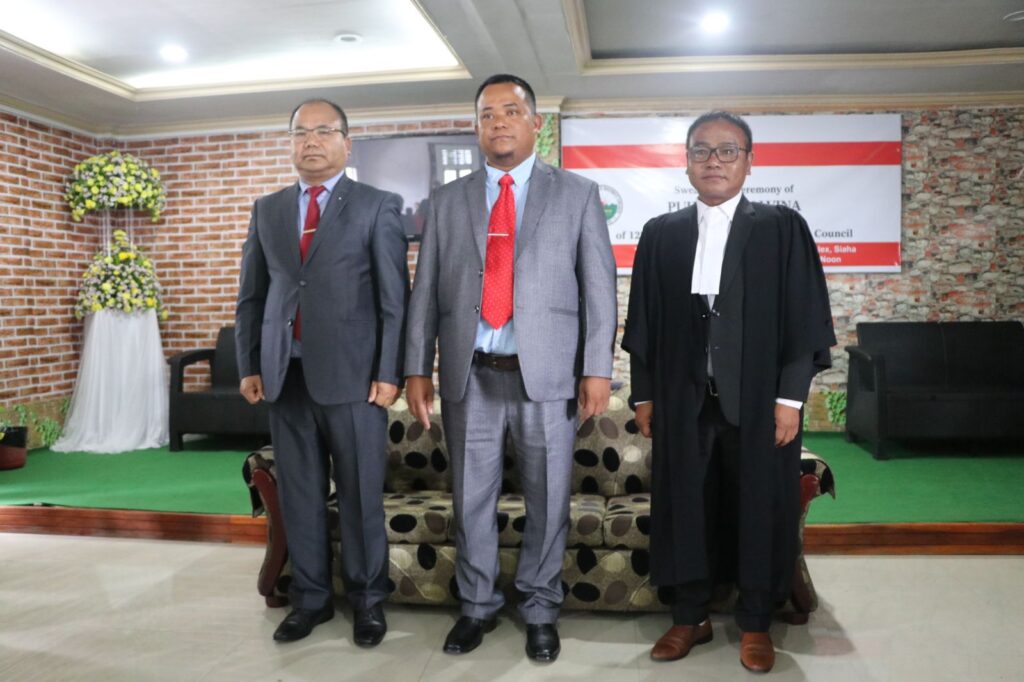
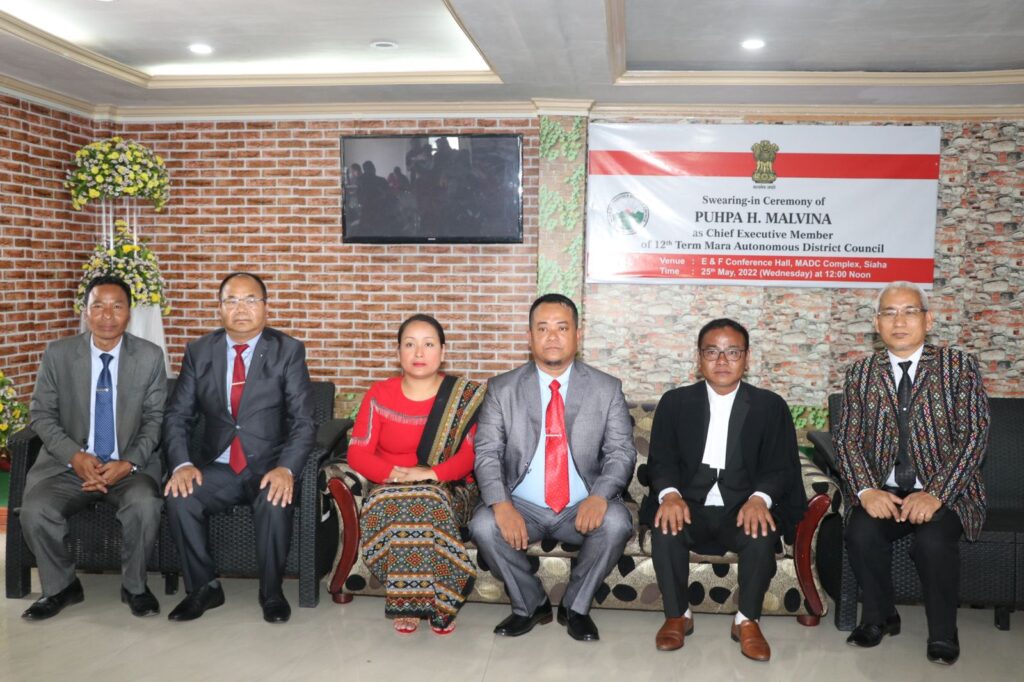
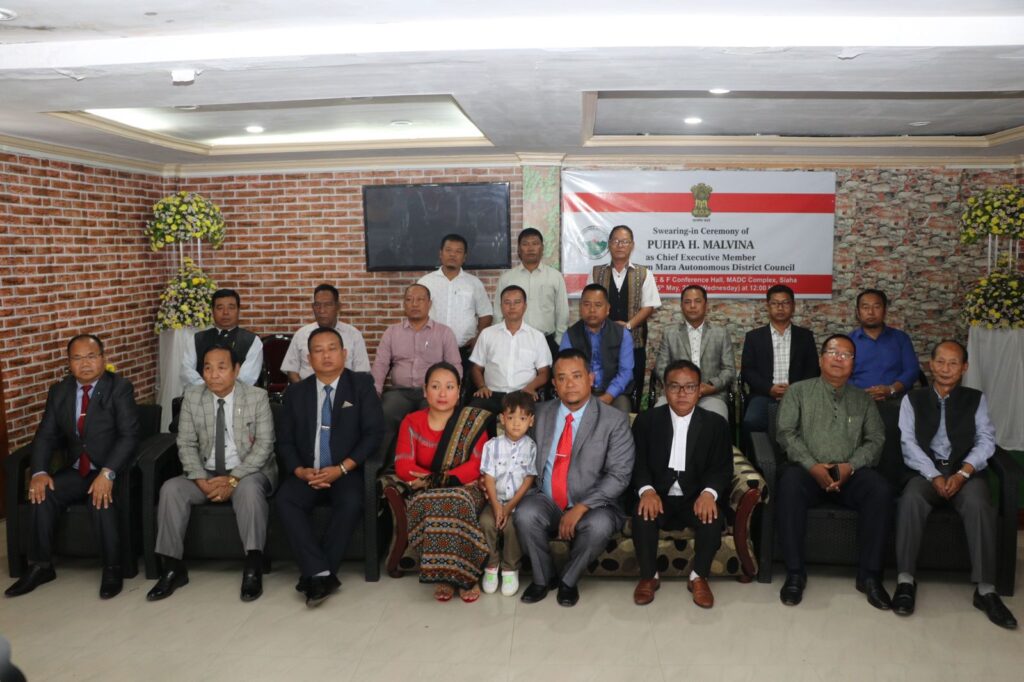
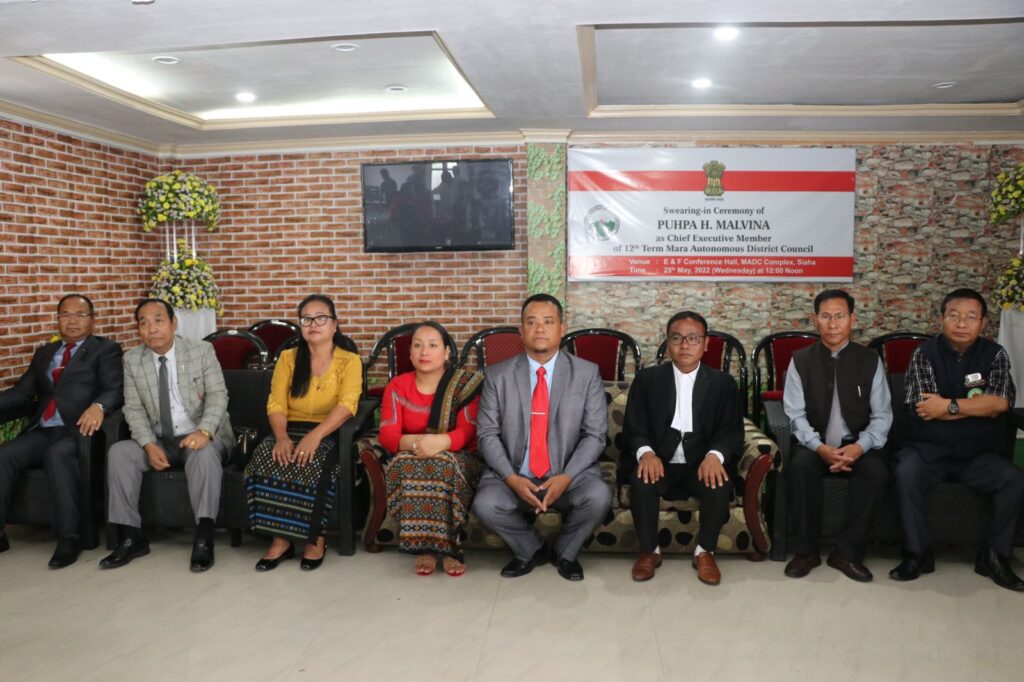
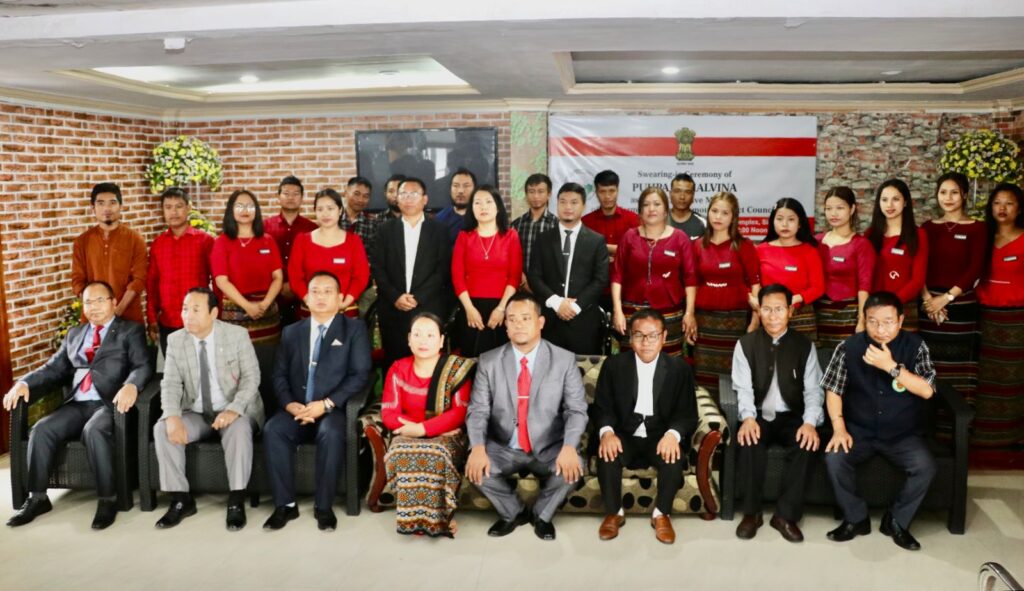
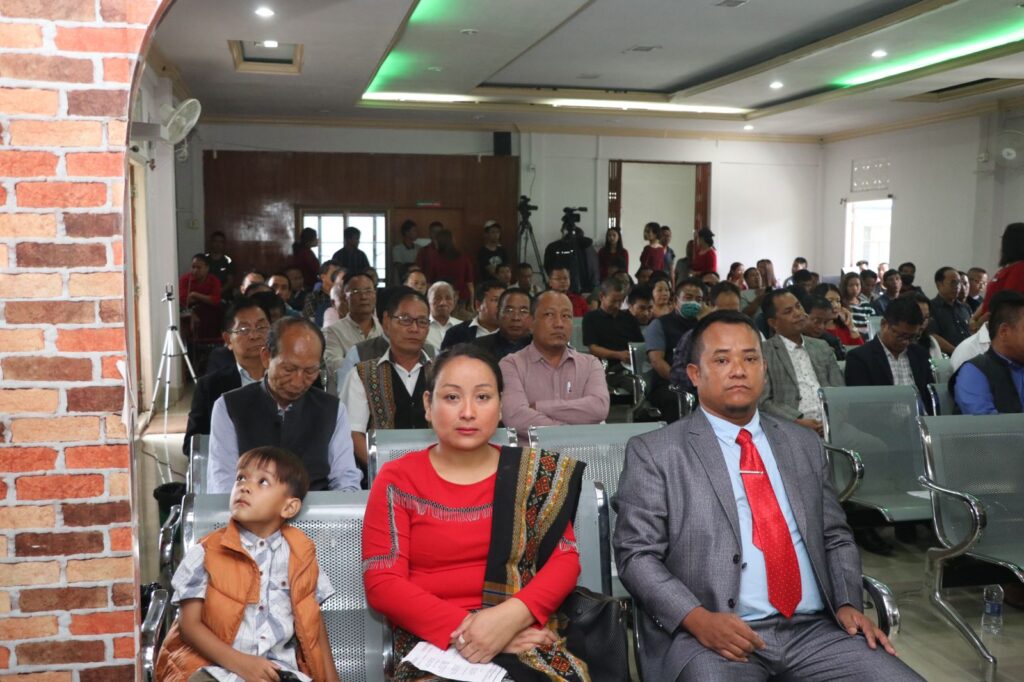
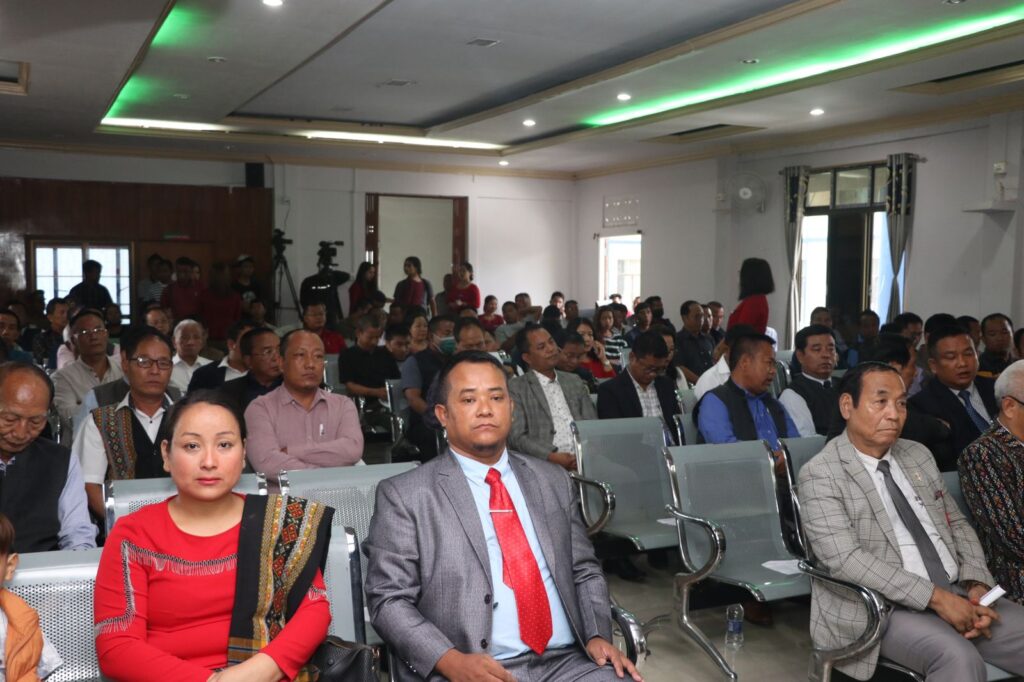
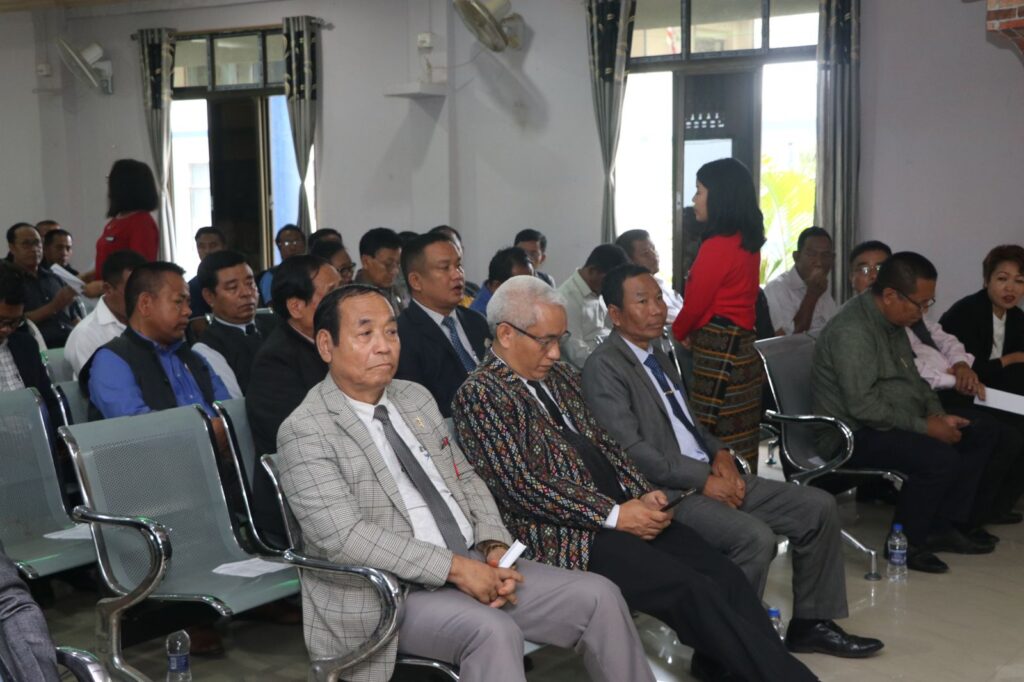
Swearing-in Ceremony he Environment & Forest Conference Hall, MADC Complex, Siaha liata hneipa châ ta, Puhpa Lalngaihmawia Zote, the Judge, Fast Track Court, Siaha District, Siaha ta Puhpa H. Malvina, CEM thiehpa cha ‘Oath of Secrecy’ a pahneisa.
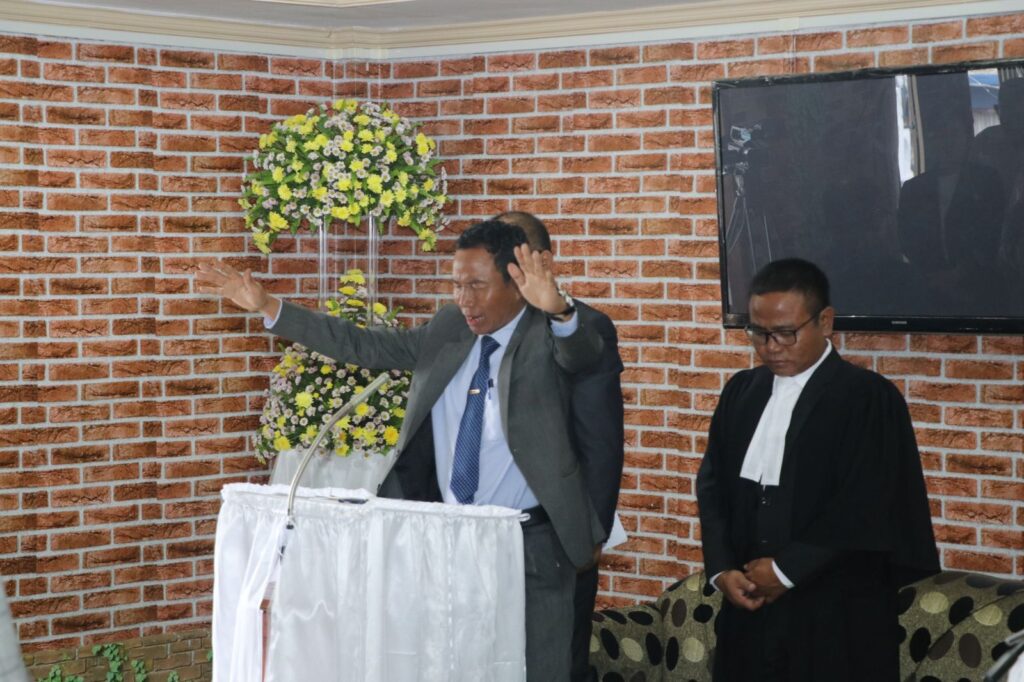
Puhpa K. Chhihrau, Executive Secretary, MADC ta Governor of Mizoram tawhta CEM pasaina châ Notification reihpapuana hnei ta, Rev. VL. Ngaia Hlychho, Senior Executive Secretary, ECM Assembly ta Bible reading & prayer daihti a hmâh. Compere châta Puhpa MC. Beihrohmô, Asst. Audit Officer, MADC hmâpa a châ.
Daihti chhâna lâ liata Rev. Phosa Chozah, Moderator Elect, ECM Assembly, Siaha ta byhnâ awna ta Oath of Secrecy Ceremony he pachhâsapa a châ.
(PRESS RELEASE NO.45/2022)
ISSUED BY:-
Information & Publicity Department
Mara Autonomous District Council
Siaha